Trash and Sink Disposal Restrictions
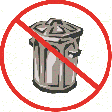
These items must NOT be disposed of in the trash:
Liquids
Solid chemicals - even if they are non-hazardous
Aerosol cans - unless they are rendered completely empty
Batteries - other than alkaline
Computers, monitors, and electronic equipment
Fluorescent lights, projector lamps, and high-intensity discharge lamps
Equipment containing mercury, liquids, or chemicals
Sharps - includes needles, syringes, syringe barrels, Pasteur pipettes, scalpels, razor blades, microscope slides and cover slips, blood vials, and glassware contaminated with infectious agents
Items contaminated with highly toxic chemicals
Items contaminated with infectious agents
Items contaminated with radioactivity
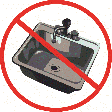
These items must NOT be disposed of down the sink (drain):
Solid chemicals
Flammable liquids and mixtures of flammable liquids
Corrosive chemicals - includes liquids with a pH < 6 or > 10
Reactive chemicals - e.g., cyanides, azides, oxidizers, water reactive and air reactive chemicals
Toxic chemicals - includes chemicals with LD50 (oral-rat) < 500 mg/kg or those identified as carcinogenic, mutagenic, or teratogenic
Heavy metals - includes arsenic, barium, cadmium, chromium, copper, lead, mercury, nickel, selenium, silver and zinc
Chlorinated solvents
Chemicals with pungent odor - e.g., thiols, mercaptans
Oil - any kind
For details on proper waste disposal, please refer to the Chemical Waste Management Guide.