Heat Stress
Workers exposed to extreme heat or work in hot environments are at risk of heat stress. Exposure to heat can lead to serious, sometimes fatal, illnesses and may contribute to other job-related injuries. According to the U.S. Bureau of Labor Statistics, from 2003 to 2019, exposure to environmental heat resulted in 616 worker deaths (∼36 per year) and 43,500 serious injuries and illnesses (∼2,559 per year).
Heat-related illnesses are preventable with education and the appropriate prevention measures. Factors that may increase heat stress risk include age, weight, physical fitness, and medical conditions or medications that affect heat sensitivity.
Health Risks of Heat Stress
Heat Stroke
Heat stroke is the most serious heat-related illness and occurs when the body becomes unable to control its temperature: the body’s temperature rises rapidly to critical levels (104 °F), the sweating mechanism fails, and the body is unable to cool down. Heat stroke can cause death or permanent disability if emergency treatment is not given.
Signs & Symptoms
|
|
- THIS IS A MEDICAL EMERGENCY: Call 911
- Stay with the worker until help arrives.
- Move the worker to a shady, cool area and remove outer clothing.
- Coo the worker quickly with cold water or ice packs if possible; place cold, wet cloths on the worker's head, neck, armpits, and groin, or soak clothing in cool water.
- Circulate the air around the worker to speed cooling.
Heat Exhaustion
Heat exhaustion is the body’s response to excessive water and salt loss, usually through excessive sweating. Causes increased blood flow to the body’s surface, resulting in less blood flow to the brain.
Signs & Symptoms
|
|
- Take the worker to a clinic or emergency room for medical evaluation and treatment.
- If medical care if unavailable, call 911.
- Stay with the worker until help arrives.
- Move worker to a cooler location and give cool liquids to drink. Encourage frequent sips. IF vomiting occurs, remove fluids from the mouth before giving more water.
- Encourage the worker to lie down and elevate their feet.
- Remove unnecessary clothing, including shoes and socks.
- Coll the worker with cold compresses or have the worker wash head, face and neck with cold water. Stop cooling if the worker begins to shiver.
Rhabdomyolysis
Rhabdomyolysis3 is a medical condition associated with heat stress and prolonged physical exertion, resulting in the rapid breakdown, rupture, and death of muscle. When muscle tissue dies, electrolytes and large proteins are released into the bloodstream that can cause irregular heart rhythms and seizures and damage the kidneys.
Signs & Symptoms
|
|
- Stop activity.
- Increase oral hydration (water preferred).
- Seek immediate care at the nearest medical facility.
- Ask to be checked for rhabdomyolysis (i.e., blood sample analyzed for creatine kinase).
Heat Cramps
Muscle cramps, pain, or spasms in the abdomen, arms, or legs. Caused by the loss of body salts and moisture levels during sweating.
If a worker shows signs:
Replace fluid loss by drinking water and having a snack and/or sports drink every 15 to 20 minutes.
Avoid salt tablets.
Get medical help if the worker has heart problems, is on a low sodium diet, or if cramps do not subside within one hour.
Heat Rash
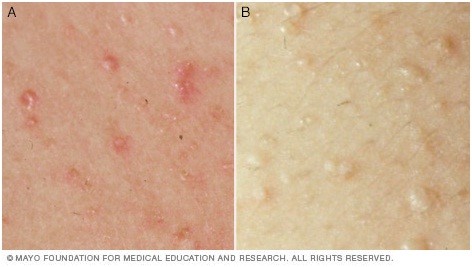
Skin irritation caused by excessive sweating during hot, humid weather. Red cluster of pimples or small blisters, usually on neck, upper chest, groin, under breasts, and in elbow creases.
If a worker shows signs:
The best treatment is to provide a cooler, less humid work environment.
Keep the rash area dry.
Powder may be applied to increase comfort.
Do not use ointments or creams, as they may impair cooling – warm, moist skin can make the rash worse.
Heat Stress Prevention
Engineering controls
Outdoor workers should have access to shade cover or canopies.
Increase air velocity, as possible.
Use air conditioning in field vehicles.
Administrative controls
Acclimatize workers by gradually increasing their workload, allowing frequent breaks as they build up a tolerance for working in the heat.
Schedule work for cooler parts of the day. Reassess the work plan throughout the day as conditions change.
Take frequent breaks in cool or shaded areas and remove heavy gear.
Use a rest break schedule. Shorten work periods and increase rest periods:
- As temperature rises and humidity increases.
- When there is no air movement.
- When protective clothing or gear is worn.
- For more strenuous work.
Workers should have access to and drink plenty of cool liquids to stay hydrated.
- Make sure an adequate amount of potable water is available for staff to complete field activities each day.
- For moderate work activities in the heat <2 hours, drink 1 cup (8 oz.) of water every 15-20 minutes.
- During prolonged sweating lasting several hours, drink sports drinks containing balanced electrolytes.
- Avoid drinks with high caffeine or sugar.
- Fluid intake should not exceed 6 cups per hour.
Do not skip meals to maintain adequate caloric intake.
Reduce physical demands and utilize tools to minimize overexertion.
Work in pairs to monitor each other for fluid consumption and signs of heat stress.
Consider health factors of workers that may increase the risk of heat stress.
Pack instant cold packs in your first aid kit.
Personal protective equipment (PPE)
Wear light-colored, loose-fitting, breathable clothing (i.e., cotton). Avoid synthetic fabrics (i.e., polyester, nylon, rayon).
Wear wetted or water-cooled garments (e.g., cooling head-neck band, cooling towel, cooling bandana, cooling vests, cooling hats).

OSHA-NIOSH Heat Safety Tool

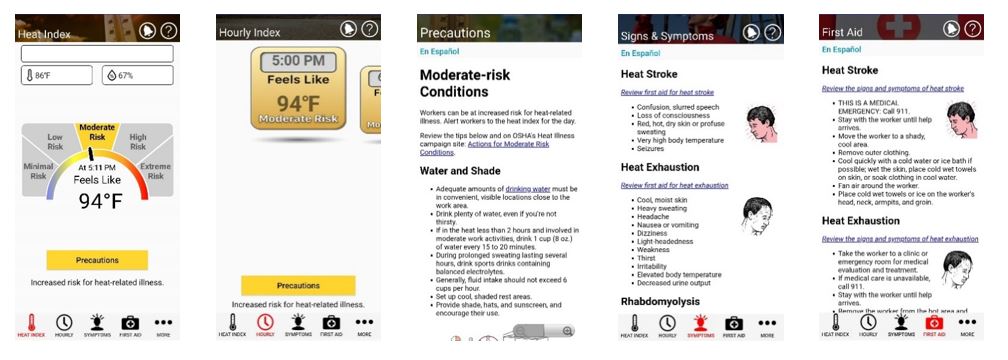
Download the OSHA-NIOSH Heat Safety Tool app available for Android and iPhone devices. This useful app calculates the heat index and designates a risk level with the appropriate precautions. Use the hourly index to plan your outdoor activities accordingly. The app also provides signs and symptoms of heat related illness, as well as first aid measures.
Resources
U.S. Bureau of Labor Statistics